Long, brilliant days invite individuals onto tracks, into surf, and bent on sports areas. The season additionally focuses risk. Warmth pushes bodies past their limits. Water hides currents and cold shock. Outdoor equipment cuts and burns. When something fails, the very first two minutes matter more than the next twenty. That is why a grounded technique to first aid, and the right first aid training, can turn an onlooker into a crucial helper instead of a stressed spectator.
This guide makes use of usual summer situations I have handled with community sports groups, surf clubs, and occasion crews. It links each scenario to sensible steps any type of qualified adult can discover, and it reveals where a devoted first aid course or CPR course supplies the added proficiency that alters outcomes. It is not a substitute for hands-on direction, yet it provides you the framework to act now and get ready for the period ahead.
Heat, hydration, and the difference between a wobble and a 000/911 call
Summer brings a range of warmth health problems that can look deceptively similar initially look. Sorting them rapidly guides your response.
Heat cramps appear as agonizing convulsions in calf, hamstring, or abdominal muscles. They have a tendency to follow heavy sweating and electrolyte loss. You will see an otherwise alert individual, commonly a competitive type that pressed tough and consumed just water. Relocate them to shade, delicately stretch, and offer a beverage with some salt. If signs ease within an hour, you are on track.
Heat fatigue resembles collapse without clear complication. The person is pale or pale, perspiring, nauseated, and light-headed. Their pulse usually runs rapid and thready. Strip warm out of the equation: color, legs boosted, get rid of excess garments, and use evaporative air conditioning with a follower or a damp towel. Offer little sips if they can hold a cup and ingest without coughing. Recuperation frequently takes 30 to 60 mins, and they ought to not go back to effort that day.
Heat stroke is the cliff side. The individual is confused, short-tempered, or passing out. Often they quit sweating. Body temperature can overlook 40 ° C (104 ° F). You do not wait and watch. You call emergency solutions and cool boldy during the delay. Cold water immersion is fastest if readily available and risk-free. Or else, saturate clothing, apply ice to the neck, underarms, and groin, and fan continuously. In a triathlon clinical outdoor tents a decade back, I watched 2 similarly healthy competitors get here within five mins of each other. The one we immersed promptly in a wading pool left 6 hours later on. The one who only obtained cool towels took far longer to maintain. Fast cooling purchases time for the brain.
A strong first aid course will walk you via this triage and allow you exercise decision-making under time stress. You can not mimic overbearing warmth in a classroom, however you can practice the signs that separate a wobble from a crisis.
Water confidence and what really aids in the very first minute
Drowning is usually silent. No waving, no significant calls for aid. In jampacked water it typically looks like someone steadly bobbing. Past prevention - selecting patrolled beaches, understanding hole currents, using lifejackets on boats - the first aid and CPR ability that matters most is your readiness to step in without coming to be a 2nd casualty.
If you are not learnt water rescue, reach or toss prior to you go. A long branch, a towel, a life ring, also a cooler cover provides a struggling swimmer something to hold on to while you remain anchored. If you have to go into the water, method with a flotation aid in between you and the person, and keep a secure distance in case they get hold of at you.
Once ashore, check responsiveness and breathing. Wheezing or agonal breaths do not count as typical. If the individual is less competent and not breathing typically, start CPR right away and ask a person to call for help and bring an AED. Compression-only CPR is far better than postponing to supply rescue breaths if you are alone or awkward, but if you have existing CPR training, integrate 30 compressions with 2 rescue breaths. In drowning, those breaths matter since hypoxia is the main insult.
I have actually utilized AEDs on beaches and on pool decks. The devices train you detailed, but speed of positioning affects survival. Good cpr training removes the doubt that sets you back seconds. A cpr refresher course every year is perfect when you hang around around water.
Bites, stings, and the summer season menagerie
Different regions have different risks, so examine neighborhood advice. The principles below cover the bulk of summer season encounters.
Bee and wasp stings typically cause prompt pain, redness, and swelling. Eliminate the stinger quickly by scraping or snapping, not pressing. Apply an ice bag. Expect hives away from the sting website, swelling of lips or tongue, hoarse voice, or problem breathing. That collection suggests anaphylaxis, which calls for an epinephrine auto-injector if offered and an urgent ambulance action. After utilizing an auto-injector, lay the person level unless they are throwing up or struggling to breathe. A 2nd dosage can be offered if symptoms persist after 5 to 10 minutes.
Jellyfish differ from annoying to life-threatening. In lots of pleasant coastlines, vinegar assists counteract stinging cells for box jellyfish and some loved ones, though it can worsen symptoms for others. Local browse clubs and coastline patrols set the standard for the location, so learn what they encourage. Do not rub sand into the sting. Tentacles left on skin can maintain shooting, so gently raise them off with tweezers or the edge of a card. Warmth usually reduces discomfort far better than cold for certain stings, so a bucket of hot water at a safe temperature can be more effective than an ice pack.
Snake bites in warm months are uncommon however major. Maintain the individual calmness and still. Apply a pressure immobilization plaster from below the bite up the arm or leg, company and even, not a tourniquet. Splint the arm or leg. Mark the time. Do not cut, draw, or wash the injury. You want the venom trace to guide antivenom option. Transport by ambulance.
Ticks bring their very own local difficulties. Eliminate a tick with fine-tipped tweezers, near the skin, consistent and straight. Clean the site. In some locations, paralysis can occur from prolonged accessory. High-yield steps are simple: routine skin checks after bushwalking, light garments you can inspect, repellent where suitable, and tranquil removal without turning the mouthparts.
A comprehensive first aid course will not only cover the mechanics, it will orient you to neighborhood procedures and evidence. Good teachers instruct judgment. As an example, advising a beachgoer to seek a doctor after a severe jellyfish sting due to the fact that postponed reactions can intensify, as opposed to waving them off when the pain settles.
Cuts, burns, and the truths of camp cooking areas and backyard barbecues
Ambition in a summer kitchen area commonly exceeds safety and security. Hot grills, skewers, and sharp blades incorporate with sunlight fatigue and alcohol. I have actually seen much more hand lacerations on long weekends than during entire winter months months.
For blood loss cuts, your priorities are pressure, elevation, and sanitation. Apply firm direct pressure with a tidy fabric or dressing. Raise the limb if functional. Once hemorrhaging reduces, rinse with clean water. Get rid of visible debris with irrigation rather than digging at the wound, which simply drives dirt much deeper. Avoid hydrogen peroxide or iodine inside the injury, both slow-moving recovery. Cover with a sterile dressing. Seek stitches if the wound gapes, goes across a joint, won't stop hemorrhaging after 10 minutes of strong pressure, or if it is on the face or a tendon-rich location like the hand.
Burns fall under three categories you need to acknowledge at a look. Superficial burns redden and sting; partial-thickness burns sore; full-thickness burns may look white or charred and can be strangely pain-free since nerve endings are destroyed. Trendy burns under carefully running trendy water for 20 minutes. Time matters more than expensive gels. Remove rings and jewelry early, before swelling traps them. Do not stand out blisters. Cover with a clean, non-adhesive dressing. For partial-thickness or bigger burns, look for medical care. If an artificial material has melted into the skin, cool it in place and leave removal to experts. Barbeque fat flare-ups usually cause uneven burns with unforeseen deepness, so err on the side of evaluation.
The finest first aid package for summer season kitchens is not complicated: saline coverings or a tidy water source, gauze, non-stick dressings, glue tape, a pair of nitrile handwear covers, a small bottle of soap, and a roll of cling film to lightly cover burns when you are much from care. The distinction in between recognizing these fundamentals and stumbling with outdated lotions shows up in recovery time and scarring.
Sun safety and security beyond sunscreen
Most adults know the SPF video game. Less value exactly how various other strategies stack. Wide-brim hats outperform baseball caps since they secure the ears and neck. UV-rated long-sleeve shirts make you much less dependent on excellent sunscreen reapplication, which seldom takes place after the 2nd swim. Select color each hour the sunlight climbs higher rather than persisting. If you do get melted, the first aid reaction resembles other surface burns: cool running water, basic cream after the heat fades, and hydration. Avoid topical anesthetics that can sensitize skin.
Heat likewise subjects drugs and conditions. Diuretics, certain antihypertensives, antihistamines, and energizer medicines can change thermoregulation or hydration requirements. Bronchial asthma typically flares with warm and smoke from fires or grills. A sound first aid and cpr course usually includes a component on clinical emergencies that often tend to escalate fast outdoors, from asthma to diabetic person hypoglycemia. Ask for that when you book.
Allergies, bronchial asthma, and the summertime tornado effect
Warm air holds more pollen. Fields dry, dust rises. In sports settings I keep 2 mental checklists: who brings an inhaler, and that has an EpiPen. You can not always know, so you watch for trademark patterns.
Asthma in a video game or run typically appears like reducing speed and a coughing that does not seem productive. After that comes the distinct wheeze. If the person is still speaking in sentences, trainer them via four puffs of a short-acting inhaler with a spacer, one at a time, sluggish breaths in between. If they are struggling to talk or their lips look dusky, call for an ambulance while you aid. Repeat doses as signs and symptoms dictate, not according to neat five-minute blocks.
Anaphylaxis advances over mins. Skin indicators can be refined or absent. Pay more focus to breathing and circulation: swelling, limited breast, hoarse voice, lightheadedness, collapse. Make use of the auto-injector quickly if requirements are satisfied. Lay the person flat, except if they are throwing up, in which situation put them on their side. Maintain them still. Abrupt standing after epinephrine runs the risk of an unsafe drop in high blood pressure. This is among those information covered well in respectable first aid courses that prepare volunteers for sporting activities or school settings.
Wilderness days: hikes, climbs up, and remote swims
Distance from care modifications whatever. A sprained ankle joint on a city loophole is an aggravation. The very same injury on a ridge line develops into an individual packaging workout, resource appropriation, and an interaction challenge.

Sprains and fractures require the very same first treatment: quit motion, analyze distal blood circulation and experience, and splint in the placement of convenience. Cooling with water or an ice bag reduces swelling early, yet in wild setups preserve water first. The decision to leave or wait can be nuanced. If a person can birth weight with a strolling stick and you are within two kilometers of a roadway, a mindful assisted leave may defeat waiting hours for a cot bring. If they can not feel their toes or discomfort is severe and relentless, sit tight, keep them cozy, and call for help.
Blisters mess up trips. One of the most effective first aid is avoidance: completely dry socks, smooth insoles, tape or hydrocolloid dressings on locations at the first tingle. If a sore kinds and you must keep relocating, clean, lance at the side with a clean and sterile needle, share fluid, leave the roofing in place, and cover. Over lots of group hikes, this technique has saved more spirits than any kind of pep talk.
Hypothermia still occurs in summertime, especially after an unexpected swim or tornado. Wind strips warmth quick. The fix is sanctuary, insulation from the ground, and dry layers. Warm, pleasant drinks assist if the individual is alert. Prevent rapid active rewarming of arm first aid courses for teachers or legs in field problems due to the fact that cold blood returning to the core can worsen points. Good remote first aid training discovers these edge situations and offers you the hard-won practices - for example, always loading a light bivy bag or room blanket even on blue-sky days.
Sports sidelines: crashes, traumas, and cardiac arrest on the uncommon day it matters
Weekend leagues grow faster than their safety capacity. A solitary trained volunteer and an AED per area transforms that formula. I have actually seen both end results when that gear was and was absent. Preparation is not fear, it is respect for the numbers.
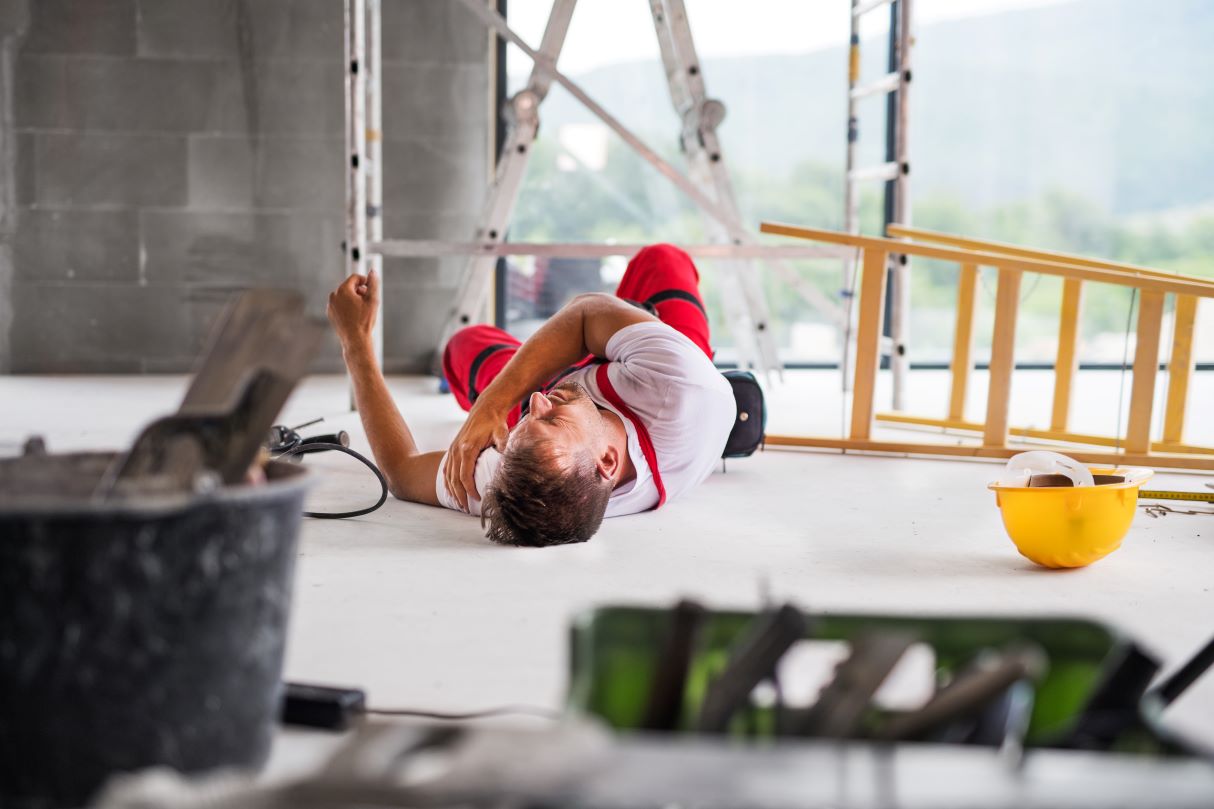
Concussion recognition maintains players safe. A dazed look, slow-moving answers, balance issues, frustration, nausea, or state of mind adjustment must get rid of somebody from play. They do not require to be knocked senseless. There is no same-day return. Written return-to-play guidance exists across codes, yet the on-field choice is straightforward: if doubtful, rest them out. Monitor for red flags like worsening headache, repeated vomiting, seizure, or uncommon drowsiness, and set up clinical assessment.
Nosebleeds, finger dislocations, and contusions fill up the remainder of the occurrence book. Straight stress on soft places alongside the bony bridge helps nosebleeds. For a finger that keeps an eye out of location, splint it where it exists and cool; do not pull it back unless you are trained and it is immediate. These low-drama phone calls construct your reputation to ensure that, when you ask to quit a suit for a weak player, individuals listen.
Sudden cardiac arrest during sport is uncommon however extraordinary. Immediate CPR and defibrillation within 3 to five minutes can greater than double survival. That is the reason a cpr course and simple AED access are not deluxes. A first aid pro on the sideline typically runs the choreography: someone on compressions, one on the AED, one calling emergency services and flagging down -responders, one clearing up space and collecting a background. Practice the choreography at the start of the period. Muscle memory beats chaos.
Food, drink, and the friendly catch of an excellent picnic
Food poisoning hardly ever kills a day outright, but it can cripple a week. Spoilage danger spikes above 5 ° C. Maintain chilly foods cool in protected coolers with sufficient ice to outpace opening and closing. Raw meat at a barbecue must not mingle with salads, and a different set of tongs for prepared food is non-negotiable. At big gatherings I assign someone to food safety. This simple duty avoids the diffusion of duty that leads to chicken sitting rare while a person informs a story.
Hydration has to do with preparation, not catch-up. Thirst lags. When I crew ultras or trainer junior squads in summertime, I spending plan fluids at 400 to 800 ml per hour depending on warmth and strength, with sodium consumption matched via food or electrolyte beverages when sweat rates are high. People differ drastically. A smaller sized professional athlete that drinks consistently might do great at the low end, while a hefty coat in a black set needs more. Overhydration is actual. If somebody is consuming exceedingly, vomiting, and has a headache after long endurance initiatives, consider hyponatremia and look for treatment as opposed to pushing more water.
Alcohol strips judgment and sychronisation. One of the most common pattern I see is a sober configuration adhered to by a progressively much less conscientious atmosphere as the celebration rolls on. Establish safety and security supports prior to the very first beverage. Assign a sober swimmer or captain for water. Place the first aid package in a noticeable place and reveal 2 individuals how to make use of the AED on scene. You do not want to inform a worried group after a mishap starts unfolding.
Children, warm, and the surprise dangers around home
Backyards and holiday leasings feel risk-free, which is why they reproduce complacency. Kids locate water, animals, and sharp sides with precision. The best antidote is a behavior of scanning.
Kiddie swimming pools, pails, and open eskies with meltwater are drowning threats for little kids who can wrong themselves. Vacant them after usage and fence permanent swimming pools. Maintain hot beverage mugs and barbeque devices unreachable. Sunlight tents offer infants color without the sunscreen challenge. In infant strollers, clip-on fans aid just if the cover allows air flow; or else, you develop a hotbox. Inspect car seats and back seats every journey. Tragic outcomes often adhere to little routine modifications, like a various moms and dad doing drop-off. Build in reminders.
A first aid and cpr course tailored to parents covers infant choking and CPR. The method differs from grown-up methods, and exercising on an infant manikin makes a lasting perception. Individuals bear in mind the confidence of that very first upper body increase after appropriate breaths throughout a course, and it sticks when they require it.
Building a summer-ready first aid kit and skills that match your plans
Your package ought to mirror what you do. A household that camps two times a month requires a lot more robust materials than an occasional beachgoer. The exact same goes with skills. If first aid training you offer with a browse club, your cpr training must include rescue breathing and oxygen admin. If you lead walks, a wilderness-oriented first aid course that stresses improvisation is worth the added hours. The right first aid and cpr course spends for itself the first time you utilize also one skill under pressure.
Here is a compact list to tune both gear and training prior to summer season increases:
- Match your first aid training to your tasks: basic first aid for home and workplace, include cpr course with AED for sports and water, consider wild components for remote trips. Check your first aid certificate expiration and publication a cpr correspondence course if you are beyond 12 to 24 months considering that your last session. Audit and restock kits: outdated products like adhesive dressings, clean and sterile saline, and medicines weaken; change missing gloves, gauze, and shed dressings. Identify AED places at your routine places and map the quickest courses in. If you have one, test pads and batteries. Set roles for recurring events: someone responsible for the set, one trained in first aid and cpr, one marked to call EMS if needed.
The listing over lives well on a fridge or in a group conversation. It is brief by design. Anything much longer collects dust.
How to pick the right course and provider
Not all first aid courses fulfill the same criterion. Aim for programs that line up with nationwide or worldwide guidelines, upgrade content every year, and consist of situation practice, not simply powerpoint. Excellent providers disclose the scope clearly: what you will certainly discover, how much time it takes, the proportion of students to trainers, and the credential you receive at the end.
For lots of people, the standard course is a combined first aid and cpr course that covers blood loss control, burns, cracks, clinical emergencies like asthma and anaphylaxis, and top notch CPR with AED usage. If your work or volunteer function puts you around children, request pediatric modules. If you invest weekends by the water, pick a training course that highlights drowning recognition and rescue breathing. If you manage groups or occasions, ask whether the program includes case command fundamentals and just how to collaborate bystanders.
The worth of a first aid pro as an instructor is their case-based teaching. They will certainly share genuine resuscitations, warm falls down, or anaphylaxis occasions and reveal you just how they browsed the messy information. They will additionally test you with what-if circumstances: suppose the AED falls short to assess, suppose the injured jogger declines care, suppose lightning strikes near your area and you need to clear hundreds of individuals in mins. Those conversations hone judgment greater than memorizing steps.
Finally, prepare for refreshers. A lot of certifying bodies set first aid certificate legitimacy in between two and three years and suggest annual cpr correspondence course sessions. Skills decay is not an ethical falling short, it is human nature. Short, hands-on refresher courses maintain compressions deep, breaths reliable, and decision trees clear.
When to skip heroics and call for aid early
Experience teaches restraint. There are times when first aid is about control while professional aid activates. A float-plane crash, an unconscious scuba diver, a thought spine injury in surf, or a chest discomfort situation in a middle-aged viewer who looks gray and perspiring - your best move is to call right away, keep the person still, and prepare to start CPR if required. Do not be shamed by a false alarm. Dispatchers would rather cancel a response than show up late to a preventable catastrophe.
At big occasions, we stage a jogger at the closest cross street to satisfy paramedics. In remote settings, we lug a charged satellite communicator. Around water, we rehearse signals and have throw ropes accessible. These methods set you back little, and they buy speed.
The summer state of mind: strategy, notice, act
Safety in summertime boils down to 3 behaviors. Plan with the weather and your team's capacities in mind. Notification the refined indications when individuals wander towards problem: the quiet swimmer, the flushed runner that is not sweating, the youngster that is instantly as well peaceful near the pool, the visitor that maintains rubbing their breast. Act early with easy, decisive steps as opposed to waiting for clarity that seldom shows up all at once.

Competence is not good luck. It is found out. Whether you enroll in a neighborhood first aid course, book cpr training with your sports club, or dedicate to a first aid and cpr courses pack that checks off your first aid certificate for the year, the investment pays out across plenty of tiny moments you will barely bear in mind and the few large ones you will certainly never ever forget.
Summer intensifies pleasure and risk in equivalent measure. Furnish yourself to tip the balance.